Showing posts with label Filler Flowers. Show all posts

Wednesday, December 18, 2024

Welcoming the Chamelaucium: The Start of Waxflower Season in California


Like clockwork… just before the winter solstice, we’re seeing first hints of spring begin to grace the fields, one of our favorite seasons is upon us: Chamelaucium season! This aromatic beauty, often referred to as waxflower, bursts onto the scene with a delightful array of colors and fragrances that signal the arrival of a new season.

Originating from Australia, these delicate, cup-shaped accent flowers ranging in hues from soft pinks, whites to deep purples and even bi-colors. Beyond their aesthetic appeal, waxflowers are also cherished for their unique waxy petals, which create a stunning visual while providing longevity in floral designs.

Waxflowers typically begin their bloom in early winter and continue to flourish through the spring, making January to June a particularly delightful time for designers. As temperatures rise, we see a flourishing of color across the fields. The warmer inland valley provides ideal growing conditions for these resilient plants.

Whether used as the star of the show or simply mingled in mixed bouquets, waxflowers bring a fresh, earthy scent and texture that’s simply irresistible. Their compatibility with other spring blooms, such as protea, pincushions, and leucadendron, makes them an ideal filler flower for creating lavish bouquets and centerpieces that celebrate the season.


In the language of flowers, waxflower symbolizes a love of fortune and a yearning for independence. Given its delicate yet resilient nature, it’s often associated with hope, freedom, and new beginnings. Whether you’re using it for a wedding bouquet, an event, or a thoughtful gift, waxflower can add a layer of meaning to your arrangements.


Care Tips for Waxflower 

To get the most out of your waxflower arrangements, it’s essential to understand how to properly care for these delicate blooms. Here are a few tips: 
  • Hydration: Always re-cut stems at an angle before placing them in water. This ensures proper hydration and longevity. 
  • Temperature: Keep arrangements in a cool environment away from direct sunlight, which can quickly wilt the blooms. 
  • Cleaning: Change the water regularly and remove any wilting flowers or foliage.
Waxflower, with its delicate petals and fragrant aroma inspires creativity and adds depth to your work. With the right care and a thoughtful approach, Chamelaucium can elevate floral creations, leaving a lasting impression on all who encounter it.

So next time you’re looking to add that special touch to your floral designs, don’t overlook the charm of waxflower. Embrace its beauty and versatility.

Wednesday, December 22, 2021

Look Out – California Grown Waxflower is Back


‘Tis the season for waxflower and with it comes an abundance of those beloved fragrant flowers. Belonging to the Chamelaucium genus of shrubs and stemming from the myrtle family, they are related to Leptospermum and Thryptomene. Waxflower includes over a 100 varieties of Geraldton wax + lots of other Chamelaucium species and hybrids. Some of the more common hybrids are classified as Pearlflowers, Gemflowers or Starflowers. These amazing plants typically bloom early winter through spring, and they are widely grown for their frilly eye-catching blooms.


The name waxflower is due to the slight waxy feel of the petals. The leaves, which contain oil glands, are small to medium in size and boast a beautiful lemony fresh scent when crushed. The blooms are delicate in style, flaunting five petals, ten stamens and a small, hardened fruit.

Also known as the flower of romance, waxflower is symbolic of patience and lasting love, which makes them a popular option for Valentine’s Day and weddings. These fabulous blooms have an abundance of uses in bouquets and arrangements, as well as in flower crowns and corsages, as cake embellishments, and simply, left all alone on a desk or table to be enjoyed for weeks.


Saturday, April 30, 2016

Instagram: Photos We Dig

This month’s Instagram Inspiration features an intermingling of some of our favorite April blooms. 10 fabulous photos showcasing stunning kings, plush protea, amazing waratah, colorful leucospermum and leucadendron, grevillea flowers, berzelia and lovely filler flowers. We love seeing the flowers we grow here in Rainbow being mixed with roses, orchids, succulents, peonies, hydrangeas and more – Great recipes for any floral chef!


@mtlebanonfloral


@petaltothemetalreno


@mirianlarafloralboutique


@petaltothemetalreno


@stemsbrooklyn


@trfloraldesign2


@mtlebanonfloral


@swoonworthybridal


@mtlebanonfloral


@stemsbrooklyn

p.s. for more Instagram follow along with us @resendizbrothers and be sure to check out all the Instagrams above.

Sunday, December 20, 2015

Thryptomene

Pronounced “thrip-to-mee-nee,” this Australian native shrub produces dense sprays of petite white or pink flowers winter through spring. The small, needlelike foliage is very similar to waxflower. It has a crisp, fresh and even citrus-like aroma when crushed. Thryptomene is a member of the Myrtaceae family and is closely related to myrtle, bottlebrush, Leptospermum and Eucalyptus. Currently, there are about 40 named Thryptomene species.

The two popular varieties grown for cut flowers are calycina and saxicola: Thryptomene calycina - Commonly known as Grampians heath myrtle or Victorian laceflower, this species of white and pink flowers grows wild in Victoria, Australia, in the mountainous area known as the Grampians.


Thryptomene saxicola - Commonly known as rock Thryptomene, is indigenous to the Stirling and Eyre districts of Southwestern Australia. It grows among granite boulders, and its pale pink or white flowers closely resemble waxflower.


Thryptomenes will last for up to three weeks with proper care and conditions. 

What to look for: 
 
  1. Purchase flowers that have at least 1/3 of the flowers open. 
  2. Watch for signs of blossom drop or dry brittle leaves when making selections.
Flower Care:
  1. Remove the packaging and bindings immediately upon arrival.
  2. Trim the stems with a sharp knife removing at least ½” from each stem.
  3. Remove all leaves that fall below the water line.
  4. Place the stems into a clean vase or bucket with a properly prepared flower food solution.
  5. Place Thryptomene into a floral cooler at 34 F to 36 F, and allow them to hydrate for at least two hours before designing with or selling them. 
  6. Provide good air circulation, high humidity and light to keep these flowers looking good.
  7.  Recut the stems and change the water frequently.


Interesting Facts: The name Thryptomene comes from the Greek word meaning “made small,” alluding to the small size of most Thryptomene blossoms. The species name calycina refers to the prominent calyx of the flower. The species name saxicola comes from the Latin “saxum,” meaning “rock” or “boulder.”

Sunday, July 19, 2015

Heath or Heather?

Did you know the Ericaceae family is divided into two different genera of plants: heaths and heathers? Although both belong to the same family, they are botanically different and are divided into the Erica genus and the Calluna genus. The heaths belong to the Erica genus and there are approximately 4,500 species worldwide and of these 700 occur in the Cape Floral Kingdom, making them the largest family of fynbos . 


The Erica with its upright spirals of brilliant blossoms can be described, as simply elegant. The vibrant blossoms vary in shape and size from tiny to several inches in length and come in virtually all color combinations except blue. Other than heaths' greater susceptibility to cold weather, the main difference between heaths and heathers is that heaths have needlelike leaves rather than flat leaves; and come in taller shrub forms and even some small trees.

Here’s just of a few of our favorites grown here in Rainbow:


Erica Sparsa


Erica Verticillata


Erica Versicolor


Erica Baueri


Erica Baueri - White

For a glimpse of more heaths here’s a link to our Pinterest Board!


Ericas have become a welcome addition to our world of flowers!

Sunday, June 14, 2015

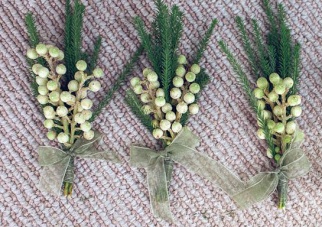
10 Chic Boutonnieres with Personality

Though they are small ‘bouquets’, boutonnieres can add a huge splash of persona, color, and texture to the wedding party’s lapels.   So, if a bride is looking for something unique and bursting with personality, you may want to consider skipping the more classic boutonnieres and suggest garnishing the lapels with leucadendron, leucospermum, serruria, waratah, berzelia and even fabulous filler flowers.  Here’s a few of our wedding favorites.


Thursday, April 9, 2015

Lepto Rotundifolia


Lepto Rotundifolia, a member of the Myrtle family and related to clove, eucalyptus and guava, can be easily confused with its relative the waxflower.  Often called “Blue Lepto” or “Lavender Queen”, this Australian native is a favorite around Easter and Mother’s Day.


The long woody stems produce clusters of white, pale mauve or lavender flowers that complement the beauty of proteas as well as an array other spring flowers and foliage.


Rotundifolia is versatile and can be used in a variety of other ways.  Its long stems are excellent for adding line to an arrangement and are especially chic in oriental and contemporary designs. The stems can also be shaped into decorative handles for baskets, added to dish gardens or make a charming accent in bud vases.  Once the flowering season ends, wonderful seed pods form on the branches creating a fun and textural foliage for autumn bouquets and arrangements.


What to look for 


  • Buy stems in the bud stage to ensure the longest vase life.
  • Avoid bunches that are shedding or flowers that are turning brown. 

Flower Care 

  1. Stems should be re-cut with pruning shears. The stems are very woody and may be tough to re-cut, but worth the effort as it will increase longevity.
  2. Place stems loosely in a bucket of flower food solution and place in a cool place where they will get good air circulation.
  3. Rotundifolia has a vase life of 7-14 days